
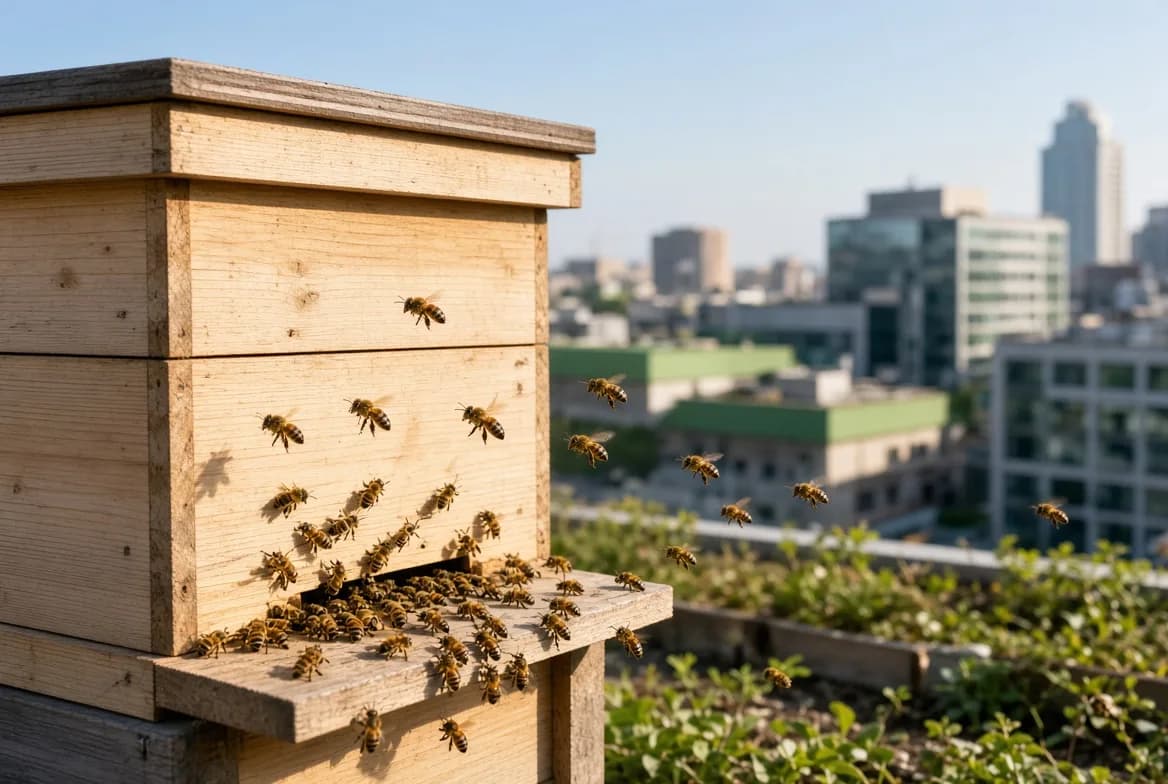
Honeybee colonies in the metropolitan area have more than doubled since 2023, according to the latest survey from the Regional Pollinator Initiative. The rebound is being credited largely to a surge in urban beekeeping.
What began as a handful of enthusiasts keeping hives on apartment rooftops has grown into a coordinated effort involving more than 1,200 registered beekeepers. Many of them received free training and starter colonies through city-backed workshops launched after a particularly harsh winter wiped out nearly 40 percent of local hives three years ago.
“People assumed cities were hostile to bees,” said Dr. Lena Okonkwo, the initiative’s lead researcher. “But when you remove pesticides, plant the right flowers, and give the bees space, they thrive. Urban colonies are now outperforming many rural ones in our monitoring.”
The recovery has had measurable effects. Local fruit and vegetable yields in community gardens have risen, and several native wildflower species that depend on honeybees for pollination are showing stronger seed production. Beekeepers also report unusually productive harvests this season, with some hives yielding more than 30 kilograms of honey.
Challenges remain. Colony collapse disorder has not disappeared, and climate-driven extreme weather continues to stress bees. Still, the data suggests that dense urban environments, when managed thoughtfully, can become unexpected refuges for pollinators.
City officials plan to expand the program next year, offering tax incentives for property owners who install bee-friendly habitats and additional funding for public education.
For now, the quiet buzz of healthy hives on rooftops across the city stands as one of the more encouraging environmental stories of the past few years.