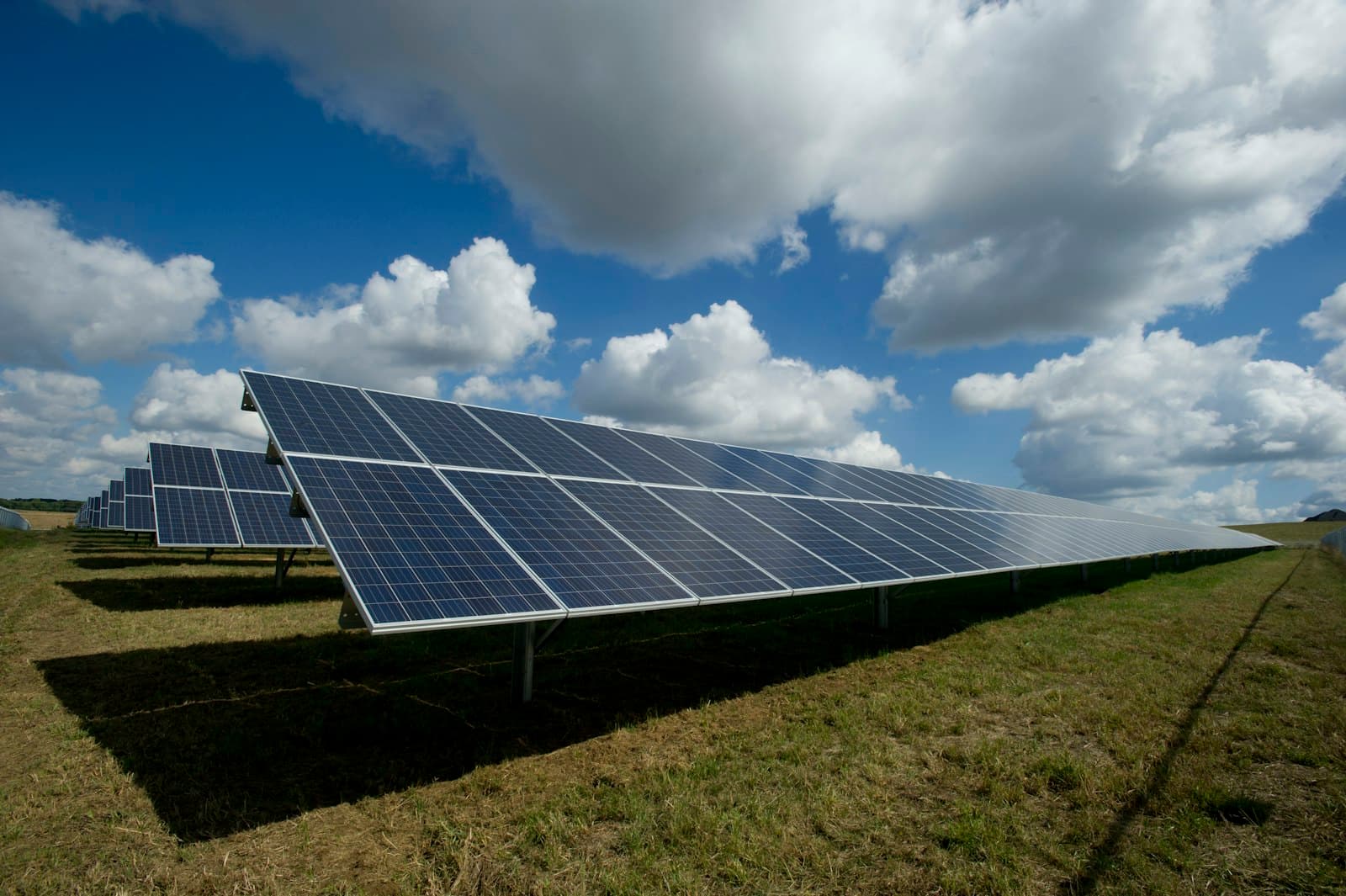
A decade ago, the case for large solar projects in the region rested heavily on concessional finance. Today developers say many projects can be justified on cost alone. That shift is real, but it hides a less comfortable question about transmission.
Cheaper panels, expensive wires
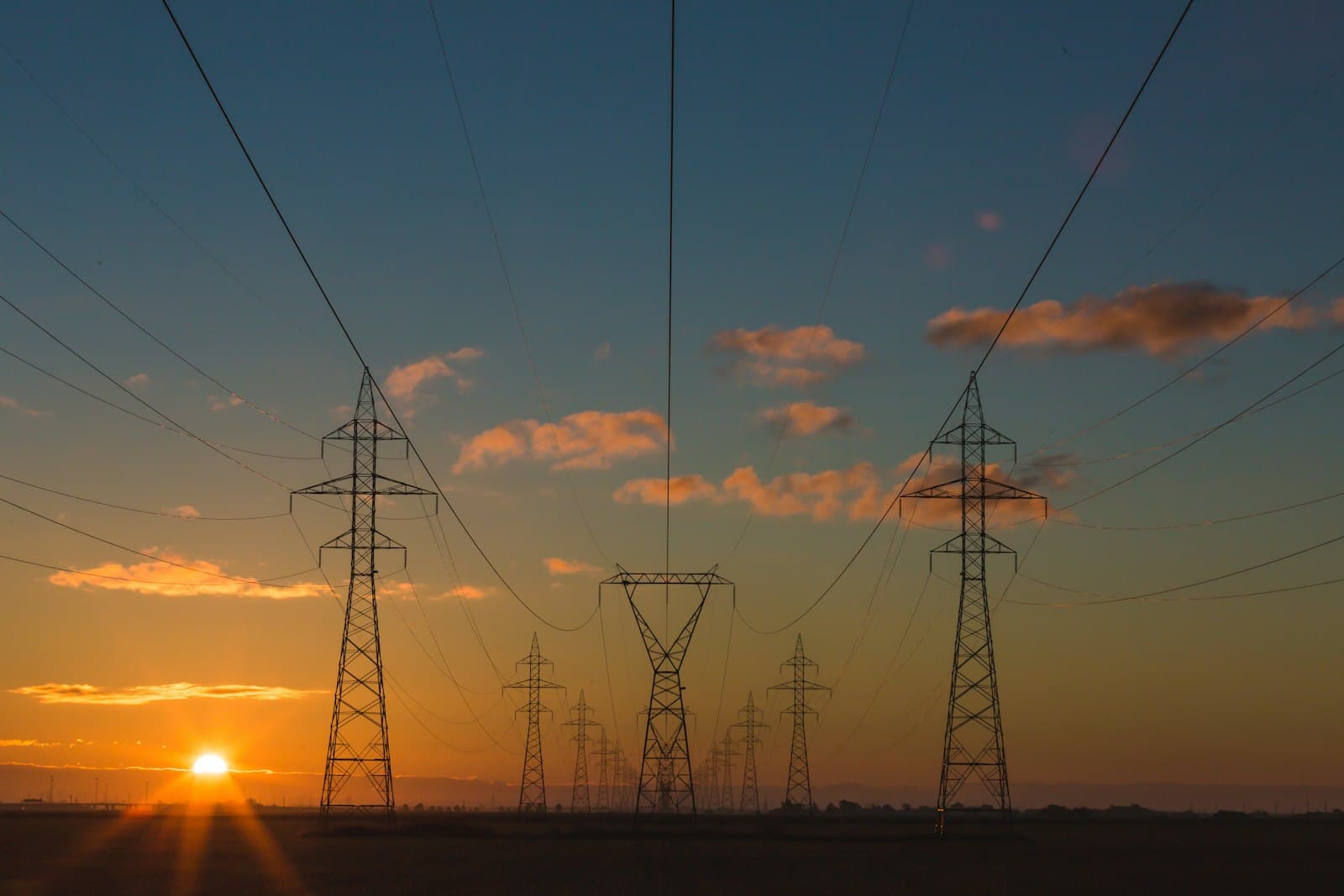
Equipment is only part of the bill. Connecting new generation to where people live and work requires transmission lines, substations and storage, and those costs have not fallen in the same way.
Utilities that already carry debt are cautious about adding more. Developers, meanwhile, are increasingly looking at selling power directly to large commercial users.
The panel is the cheap part now. The difficult part is everything that happens after the electricity leaves the site.