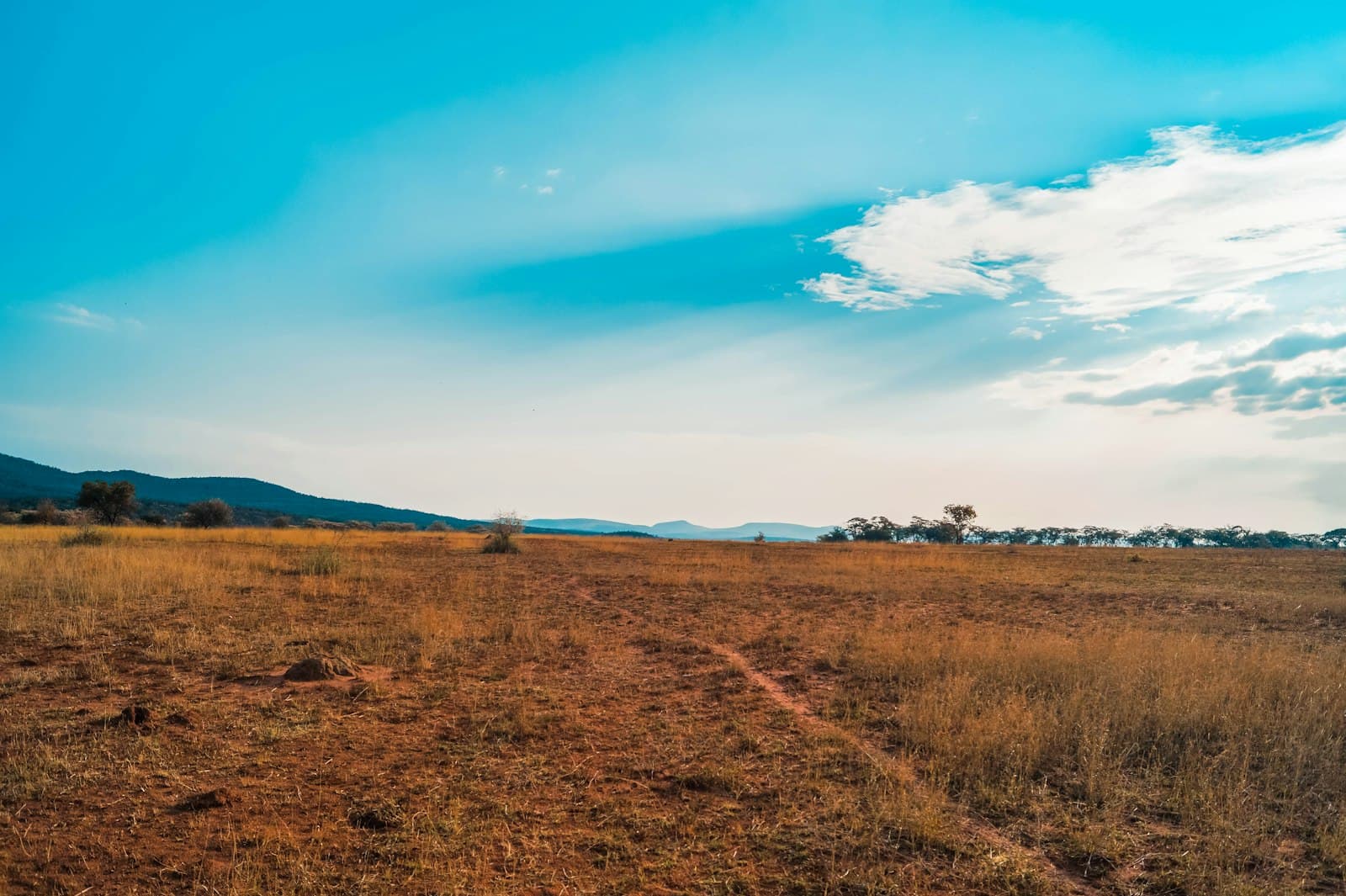
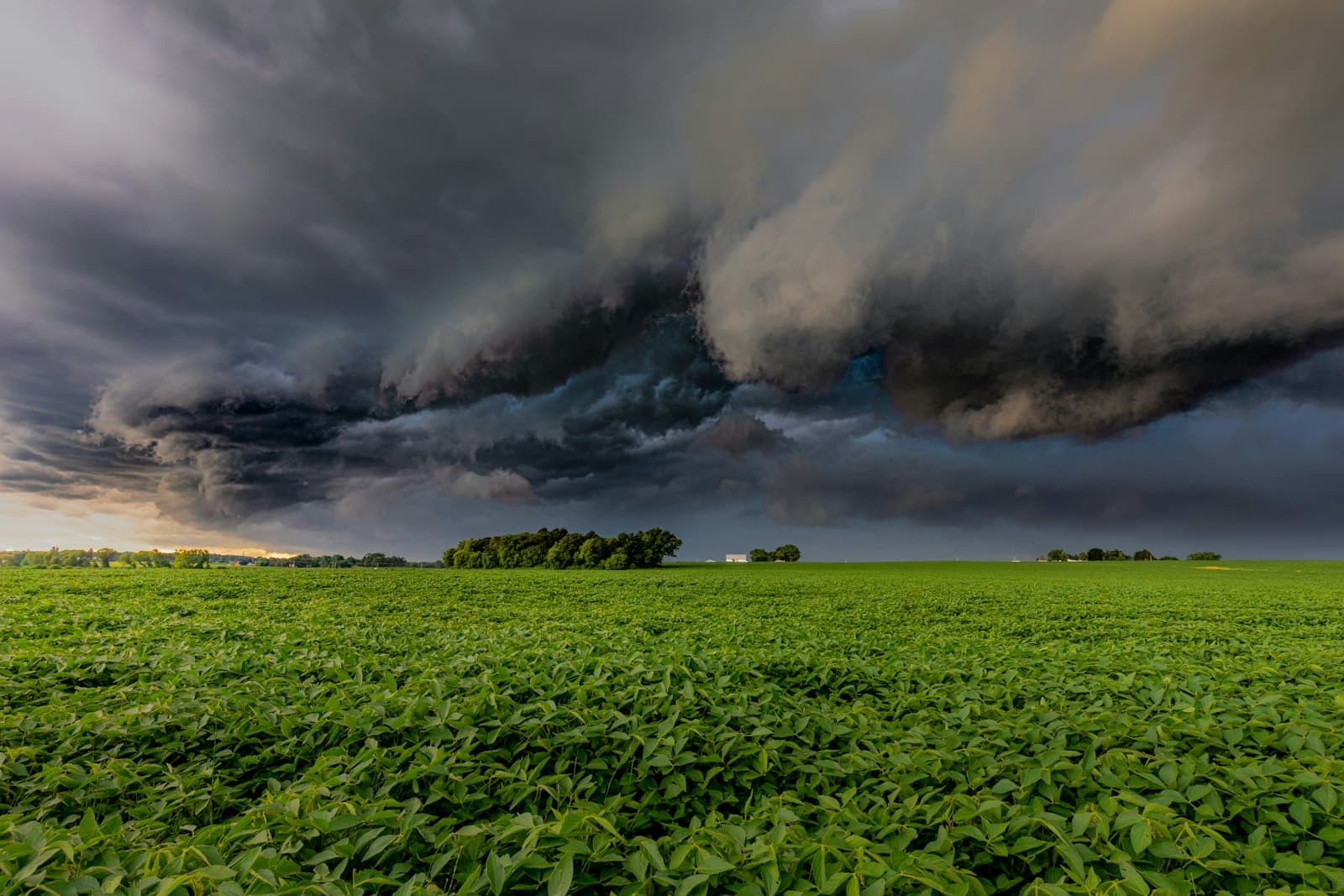
For generations, farmers in much of East Africa have planned their year around two rainy seasons: the long rains from around March to May and the short rains from around October to December. Ask almost any farmer today and they will tell you that the calendar no longer feels reliable.
This explainer sets out what researchers understand about those changes, why the region's rainfall is particularly difficult to forecast, and what it means for the people who depend on it.
Two seasons, behaving differently
Studies of the past few decades have pointed to a drier tendency in the long rains in parts of the region, alongside more frequent very wet short-rain seasons. The pattern is not uniform, and year to year variation remains large.
The ocean connection
Much of the variation in the short rains is linked to conditions in the Indian Ocean. When the western Indian Ocean is warmer than the east, the short rains tend to be wetter, sometimes dramatically so.
The ocean sets the stage months before the rain arrives. The challenge is turning that signal into advice a farmer can use.
Why forecasts still miss
Global climate models have historically struggled to reproduce East Africa's rainfall pattern accurately, a problem researchers sometimes call the East African climate paradox. Models improve with each generation, but local forecasts remain uncertain.
- Mountains and lakes create sharp local differences that coarse models smooth over
- Weather station records are sparse in many areas
- Several ocean and atmospheric drivers interact, sometimes pulling in opposite directions
Rainy days recorded per season at a sample station
Values in days
- 202134
- 202221
- 202347
- 202439
- 202528
Sample data for layout only.
What it means on the ground
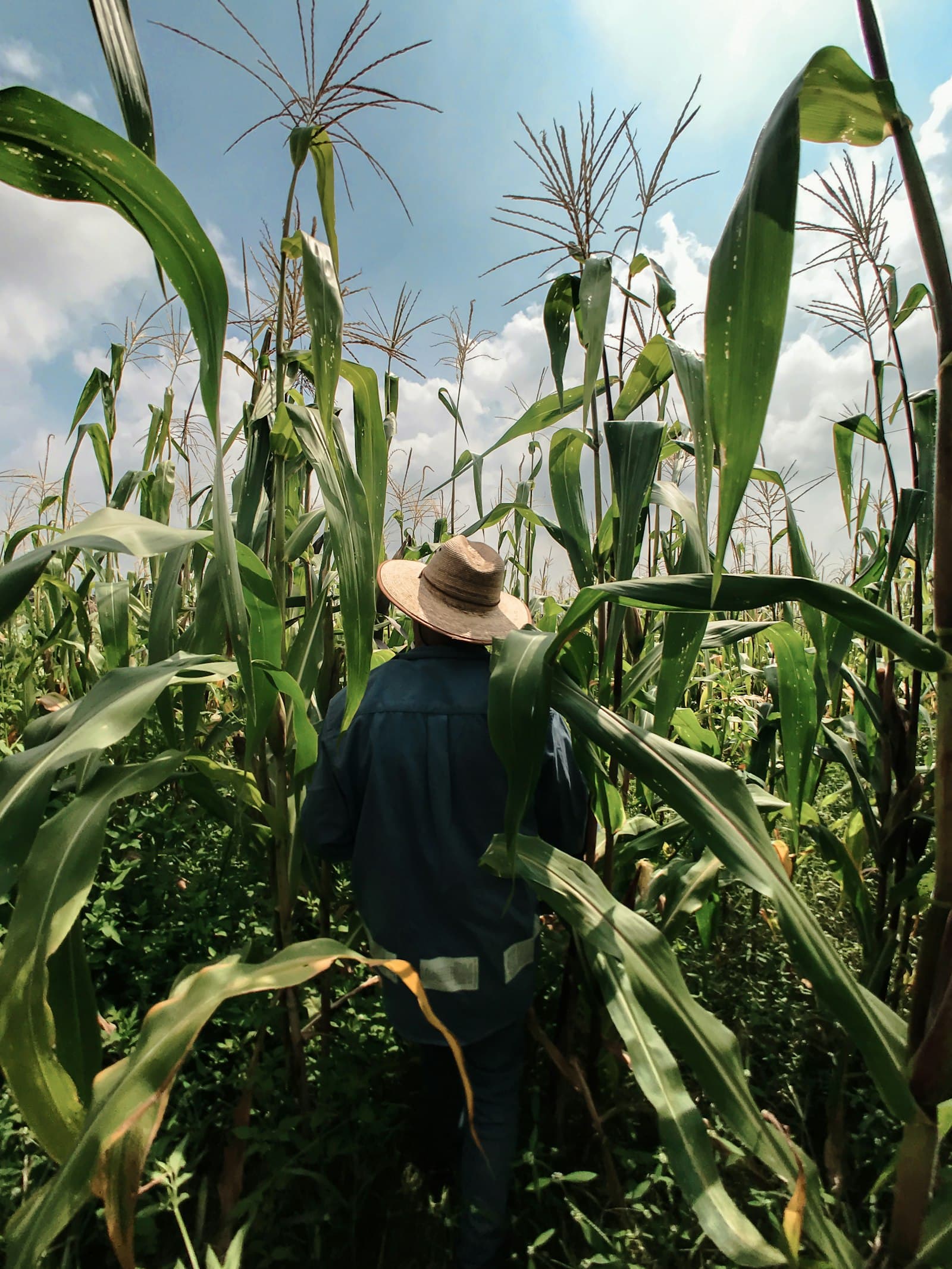
Less predictable rain changes the choices families make: what to plant, when to sell livestock, whether to borrow. Better forecasts only help if they arrive early, in a language people use, and with honest uncertainty attached.