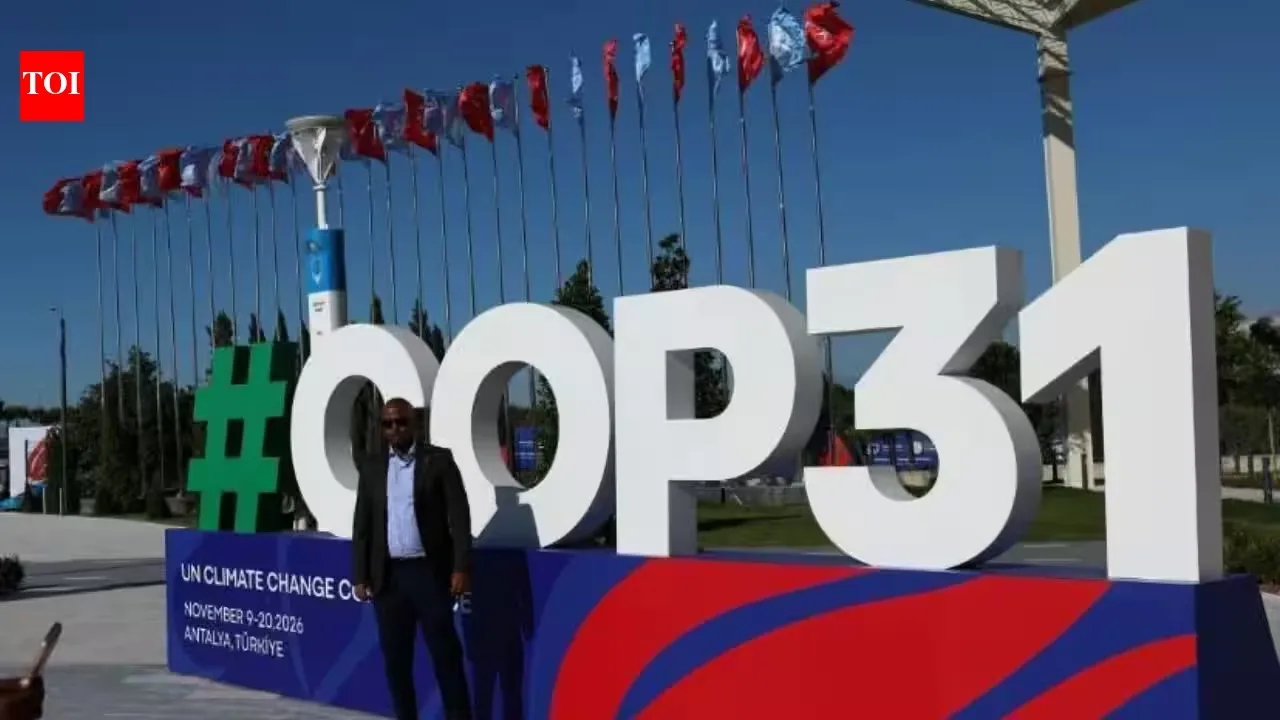
The 31st United Nations Climate Change Conference (COP31) has opened in Antalya, Turkey, against a backdrop of worsening climate impacts, economic uncertainty and geopolitical tensions that threaten to complicate efforts to secure meaningful global climate action.
The two-week summit, which officially begins on Monday, November 9, brings together representatives from nearly 200 countries, with more than 100,000 participants expected at the Mediterranean coastal city's sprawling expo centre.
At the heart of the discussions is a familiar but increasingly urgent question: how can the world move faster on climate action while ensuring that countries most vulnerable to its effects have the financial resources to respond?
Negotiators are expected to focus on accelerating the transition to cleaner energy, strengthening climate resilience and addressing the long-standing funding gap facing developing nations.
However, expectations for major breakthroughs remain modest as countries contend with competing political and economic interests.
The global energy market is facing renewed pressure from an oil price shock, while conflicts involving the United States and Iran, as well as Russia's ongoing war in Ukraine, continue to complicate international cooperation.
Climate impacts are becoming harder to ignore
The summit comes at a time when the consequences of climate change are increasingly visible across the world.
Europe has endured punishing heatwaves, wildfires have swept through parts of Indonesia, and a glacier collapse in Nepal triggered devastating floods.
Scientists are also warning about the possibility of an exceptionally strong El Niño developing and peaking later this year. The phenomenon could intensify extreme weather conditions and contribute to making 2026 or 2027 the hottest year on record.
The warnings come as the United Nations raises concerns that global temperatures are on course to exceed the 1.5°C threshold above pre-industrial levels, the most ambitious limit established under the Paris Agreement.
For climate advocates, the situation leaves little room for another summit dominated by promises without clear action.
"Global leaders must pull us back from the brink and commit to rapidly transitioning away from fossil fuels and expanding renewable energy," said Rachel Cleetus, climate programme director at the Union of Concerned Scientists.
She also pointed to the ongoing energy affordability crisis as another reason to accelerate the shift towards renewable energy.
From promises to implementation
Turkey is hosting COP31, while Australia is taking the lead in guiding negotiations under an unusual arrangement that resolved a disagreement over which country would host the summit.
The two countries have presented COP31 as an "implementation COP", signalling a push to move beyond climate commitments and focus on delivering measurable results.
Turkey is also promoting an action agenda that encourages voluntary commitments on issues ranging from artificial intelligence to waste management.
One of its major proposals is an electrification initiative aimed at increasing electricity's share of global energy demand from approximately 20 per cent today to 35 per cent by 2035.
While the proposal could help accelerate the transition towards cleaner energy systems, questions remain over what sources will generate the additional electricity.
The European Union has called for "clean" electrification, a position that could create disagreements over the role of fossil fuels in Turkey's broader proposal.
The debate reflects a wider challenge that has followed climate negotiations for years: countries agree on the need to reduce emissions, but often struggle to reach consensus on how quickly fossil fuels should be phased out.
At COP28 in Dubai in 2023, countries agreed to transition away from fossil fuels. However, translating that commitment into concrete action has proved difficult.
The previous summit, COP30, ended without an explicit reference to fossil fuels in its final agreement after opposition from oil-producing countries. Brazil instead developed a voluntary roadmap outlining possible pathways for countries to reduce their dependence on fossil fuels.
Developing countries push for climate finance
For developing nations, particularly those in Africa, the question of climate finance is likely to be among the most important issues at COP31.
Countries that have contributed relatively little to historical greenhouse gas emissions continue to face some of the most severe consequences of climate change.
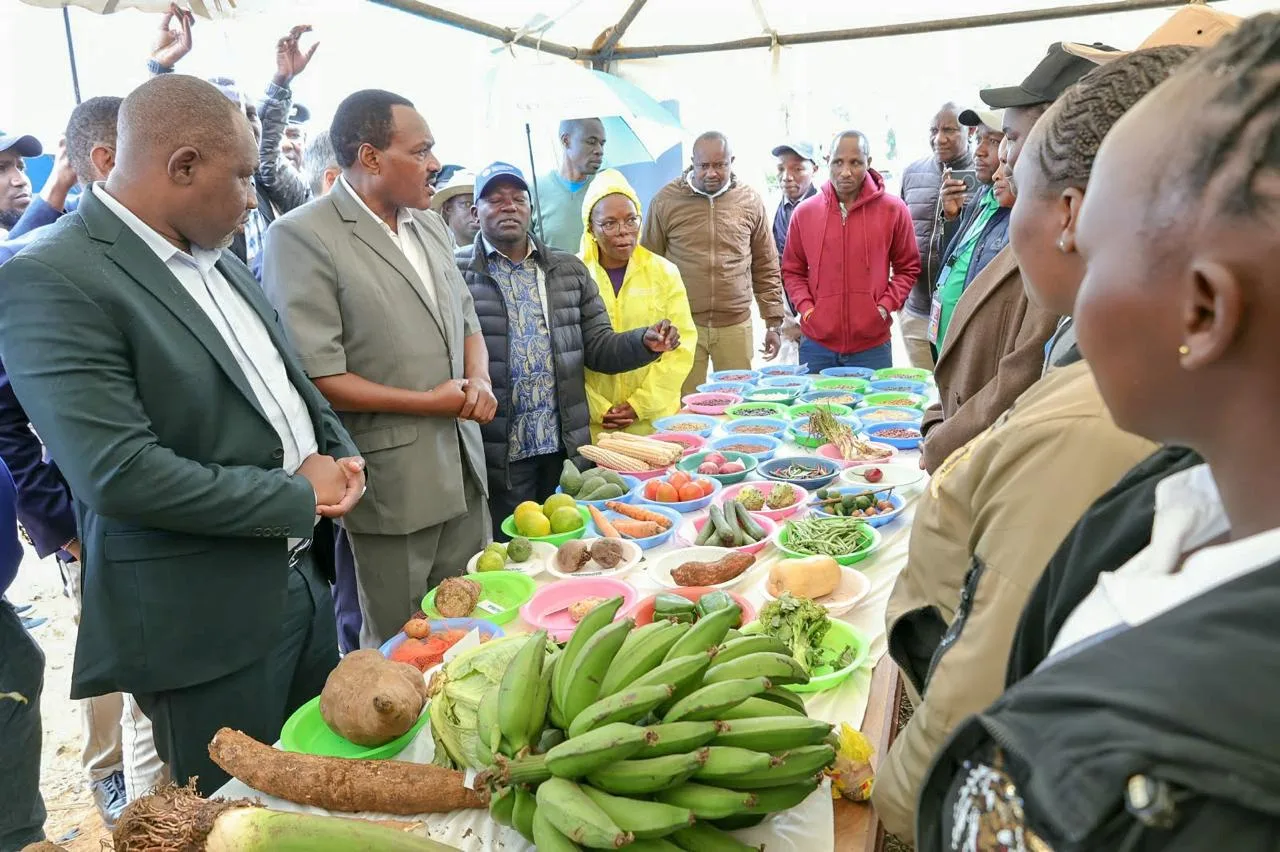
From prolonged droughts and flooding to declining agricultural productivity and rising food insecurity, the financial burden of adapting to a changing climate remains substantial.
African countries are pushing for discussions on tripling adaptation finance, which would help vulnerable nations invest in practical measures such as coastal protection, drought-resistant crops and climate-resilient infrastructure.
These investments are increasingly important as extreme weather events place additional pressure on national budgets and threaten livelihoods.
However, securing additional funding could prove difficult.
The European Union and other developed countries are facing growing pressure to honour existing climate finance commitments, but a senior EU official has already warned that there is little political appetite for further funding pledges.
The disagreement highlights a persistent divide in international climate negotiations, with developing countries demanding greater financial support while wealthier nations remain cautious about making new commitments.
For African governments, the outcome of these discussions could have direct consequences for their ability to protect communities, strengthen food systems and prepare for future climate shocks.
US absence adds another challenge
Climate diplomacy at COP31 is also taking place without a major global player at the negotiating table.
President Donald Trump has withdrawn the United States from the Paris Agreement, and the country has not sent official representatives to the summit.
A delegation from the US Congress, however, is expected to attend, with Democrats encouraged by their party's historic victory in last week's midterm elections.
The absence of official US participation raises further questions about the ability of the international community to build consensus on climate action, particularly given America's economic and political influence.
Despite the challenges, some delegates remain optimistic about the atmosphere surrounding the negotiations.
Azerbaijan's chief negotiator, Yalchin Rafiyev, told AFP that the mood at the summit was very good, while urging countries to translate that positive atmosphere into successful outcomes.
A critical test for global climate cooperation
As COP31 gets underway, the pressure on world leaders is not simply to produce another declaration of good intentions. The bigger test will be whether governments can agree on practical steps that deliver faster emissions reductions, stronger adaptation measures and reliable financial support for vulnerable countries.
For developing nations, the stakes are particularly high. Climate action without adequate financing risks leaving the countries facing the greatest threats with limited capacity to protect their people and economies.
With temperatures continuing to rise and extreme weather events becoming increasingly disruptive, the decisions made in Antalya could help shape the direction of international climate cooperation in the years ahead.
The challenge is clear: the world has spent years negotiating climate commitments. COP31 must show whether those promises can finally translate into action.